Breaking culture since 1990
From the beginnings to today
On June 9, 1990, something began in Hannover that would have a lasting impact on the breaking scene to this day. Under the name "International Breakdance Cup," crews from different cities and countries came together for the first time — with the goal of exchanging ideas, competing with one another, and creating something new together. Just one year later, it became "The Battle," before the name "Battle of The Year" was finally established in 1992.
The first edition attracted over 500 spectators and set new standards for crew competitions with choreographed shows. What began as a vision gradually evolved step by step. Today, Battle of The Year stands as a cornerstone of the international breaking scene. What started as a small event in Hannover has grown into one of the most important competitions in breaking — for many, it is still regarded as an unofficial world championship.
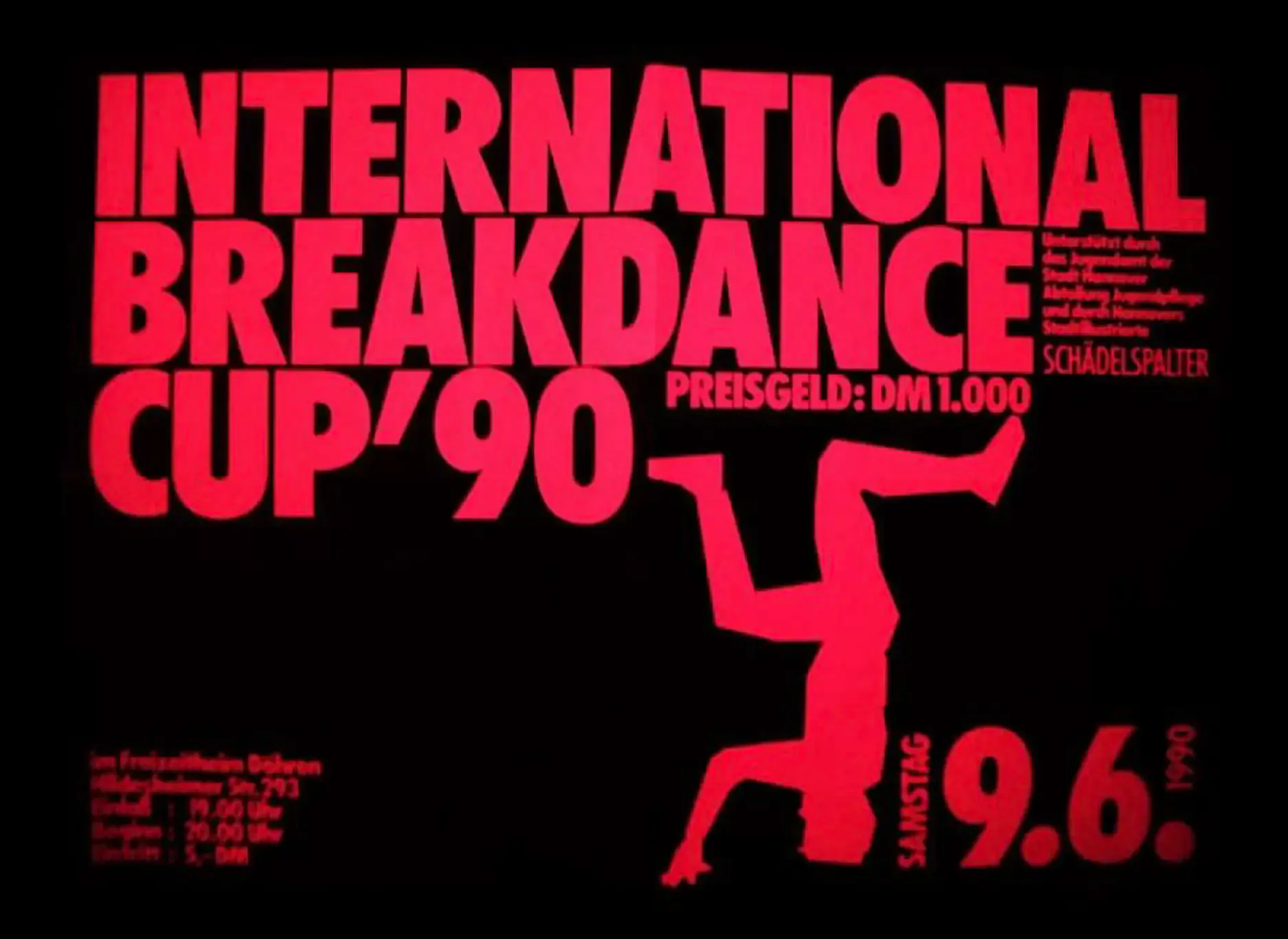
1990
International Breakdance Cup
After the initial breaking hype had faded toward the end of the 1980s, Thomas Hergenröther organized the first Battle of the Year together with his crew, the "Burning Moves" — at that time still under the name "International Breakdance Cup." In front of around 500 spectators, groups such as TDB, Second to None, and the Crazy Force Crew showcased their skills.
1990
International Breakdance Cup
After the initial breaking hype had faded toward the end of the 1980s, Thomas Hergenröther organized the first Battle of the Year together with his crew, the "Burning Moves" — at that time still under the name "International Breakdance Cup." In front of around 500 spectators, groups such as TDB, Second to None, and the Crazy Force Crew showcased their skills.
1990–1995
Shows & Battles
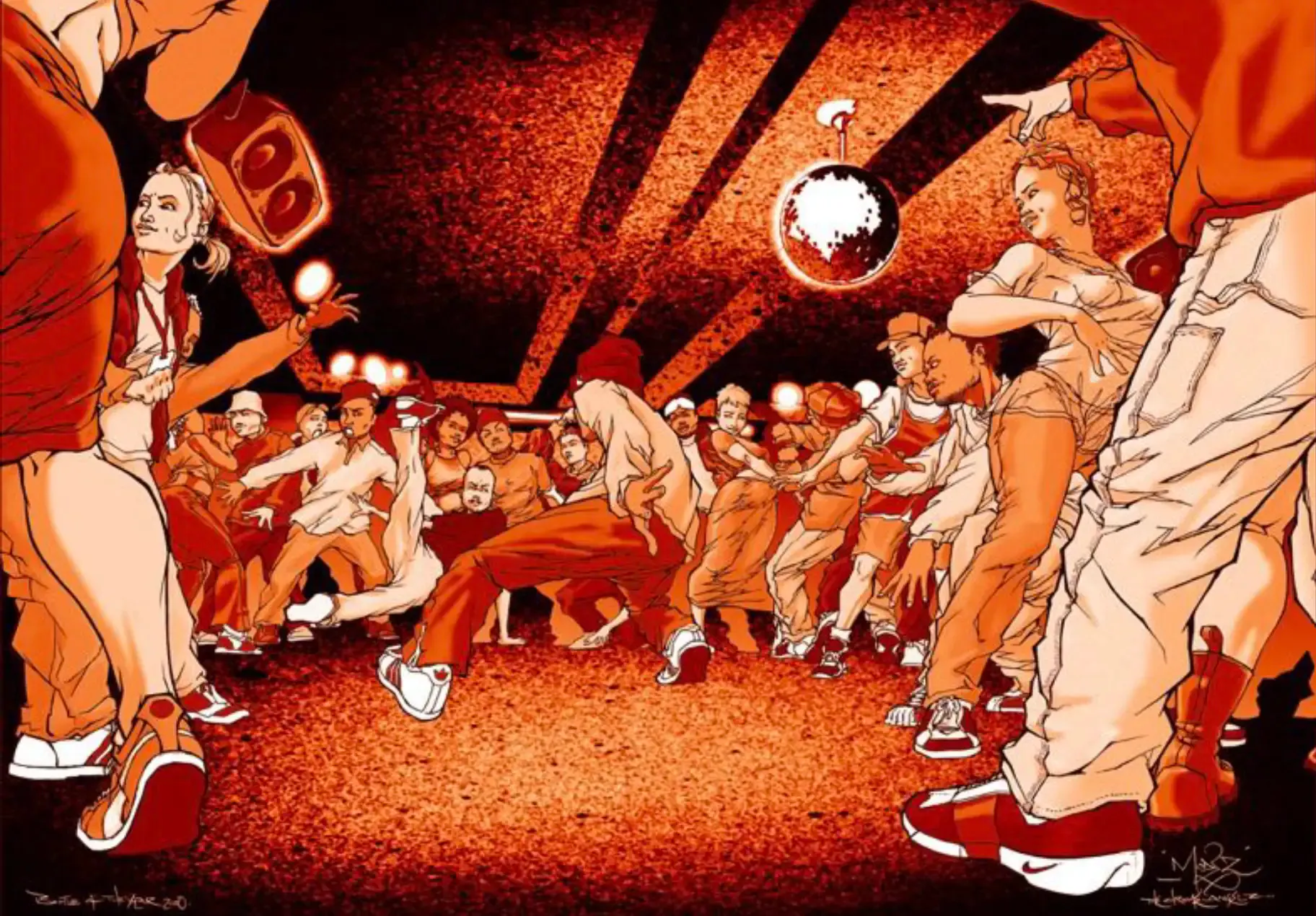
From the very beginning, choreography and shows were at the heart of Battle of the Year. Starting in 1991, battles for first place were introduced, adding a new level of dynamics to the competition. In the early years, the scene was mainly shaped by crews from Germany (TDB, Battle Squad, Vlinke Vuesse), England (Second to None, Always Rockin Tuff), Hungary (Enemy Squad), and Switzerland (Crazy Force Crew). In 1994, Mode 2 designed a BOTY poster for the first time and has since been an active advocate for dance as an independent art form.
1990–1995
Shows & Battles
From the very beginning, choreography and shows were at the heart of Battle of the Year. Starting in 1991, battles for first place were introduced, adding a new level of dynamics to the competition. In the early years, the scene was mainly shaped by crews from Germany (TDB, Battle Squad, Vlinke Vuesse), England (Second to None, Always Rockin Tuff), Hungary (Enemy Squad), and Switzerland (Crazy Force Crew). In 1994, Mode 2 designed a BOTY poster for the first time and has since been an active advocate for dance as an independent art form.
1996–2000
BOTY becomes international
Battle of the Year became more and more international. The event continued to grow steadily — not only in the number of spectators, but also through the increasing diversity of participating crews from around the world. In addition to countries such as France, Italy, and Denmark, groups from the USA, Japan, South Africa, and Russia traveled to compete and exchange ideas.
1996–2000
BOTY becomes international
Battle of the Year became more and more international. The event continued to grow steadily — not only in the number of spectators, but also through the increasing diversity of participating crews from around the world. In addition to countries such as France, Italy, and Denmark, groups from the USA, Japan, South Africa, and Russia traveled to compete and exchange ideas.
2000
BOTY at Expo 2000
As part of the youth culture program of Expo 2000 in Hannover, BOTY became part of a major international event. In the sold-out Expo Arena, around 11,000 spectators inside and another 3,000 outside watched the finals — making it one of the largest breaking events of its time. In the final battle, Flying Steps defeated the Waseda Breakers from Japan, bringing the title to Germany.
2000
BOTY at Expo 2000
As part of the youth culture program of Expo 2000 in Hannover, BOTY became part of a major international event. In the sold-out Expo Arena, around 11,000 spectators inside and another 3,000 outside watched the finals — making it one of the largest breaking events of its time. In the final battle, Flying Steps defeated the Waseda Breakers from Japan, bringing the title to Germany.
2001
New foundations in Paris
In 2001, Thomas Hergenröther, Storm, Mode 2, and Dirk Korell laid the foundation for the future direction of the event during a meeting in Paris. The goal was to reconnect more strongly with the original values while also living up to the responsibility of being one of the most important events in global hip-hop culture. With the addition "A Change of Direction," this vision was reflected in the name. New cultural programs were developed that go beyond breaking and include other elements of hip-hop culture such as graffiti, music, artistic creation, and knowledge sharing.
2001
New foundations in Paris
In 2001, Thomas Hergenröther, Storm, Mode 2, and Dirk Korell laid the foundation for the future direction of the event during a meeting in Paris. The goal was to reconnect more strongly with the original values while also living up to the responsibility of being one of the most important events in global hip-hop culture. With the addition "A Change of Direction," this vision was reflected in the name. New cultural programs were developed that go beyond breaking and include other elements of hip-hop culture such as graffiti, music, artistic creation, and knowledge sharing.
2003
Judging System
Battle of the Year was the first breaking competition to introduce a structured judging system for evaluating shows, developed in collaboration with Walter "Crazy" Petrongolo. It includes eight evaluation criteria: synchronicity, stage presence, theme & music, choreography, toprock, footwork, freezes, and powermoves. The system was regularly reviewed and discussed during the annual partner meetings.
2003
Judging System
Battle of the Year was the first breaking competition to introduce a structured judging system for evaluating shows, developed in collaboration with Walter "Crazy" Petrongolo. It includes eight evaluation criteria: synchronicity, stage presence, theme & music, choreography, toprock, footwork, freezes, and powermoves. The system was regularly reviewed and discussed during the annual partner meetings.
2005
Planet B-Boy
Korean director Benson Lee created the documentary Planet B-Boy. He follows several international crews on their journey to Battle of the Year 2005, offering personal insights into the global breaking scene. Filmed around BOTY, the documentary combines powerful competition footage with stories from the lives of the dancers, showcasing the worldwide development of breaking as both an art form and a culture.
2005
Planet B-Boy
Korean director Benson Lee created the documentary Planet B-Boy. He follows several international crews on their journey to Battle of the Year 2005, offering personal insights into the global breaking scene. Filmed around BOTY, the documentary combines powerful competition footage with stories from the lives of the dancers, showcasing the worldwide development of breaking as both an art form and a culture.
2009
20th Anniversary
Battle of the Year celebrated its 20th anniversary and expanded its program with new formats. For the first time, an international 1-vs-1 battle was held, won by Lilou. At the same time, BOTY created its own platform for B-Girls with an international 2-vs-2 battle — a format especially shaped by Japanese dancers over the years. The "Dance Theatre Night" at the Staatstheater Braunschweig — featuring Storm, Top 9, Vagabonds, and Salah — opened a space for exchange between different dance styles.
2009
20th Anniversary
Battle of the Year celebrated its 20th anniversary and expanded its program with new formats. For the first time, an international 1-vs-1 battle was held, won by Lilou. At the same time, BOTY created its own platform for B-Girls with an international 2-vs-2 battle — a format especially shaped by Japanese dancers over the years. The "Dance Theatre Night" at the Staatstheater Braunschweig — featuring Storm, Top 9, Vagabonds, and Salah — opened a space for exchange between different dance styles.
2010
Move to France
After nine years in Braunschweig, Battle of the Year changed its location and moved to Montpellier for the following three years. The very first edition there was already a great success: around 12,000 spectators experienced the event in the sold-out Arena Montpellier.
2010
Move to France
After nine years in Braunschweig, Battle of the Year changed its location and moved to Montpellier for the following three years. The very first edition there was already a great success: around 12,000 spectators experienced the event in the sold-out Arena Montpellier.
2011
BOTY Goes Hollywood
Based on Planet B-Boy, director Benson Lee produced the 3D Hollywood film Battle of the Year: The Dream Team — a fictional counterpart to the documentary. Alongside Josh Holloway and Chris Brown, the dancers of the U.S. crew were largely portrayed by real B-Boys, including DoKnock, Casper, and Kid David. Many scenes were filmed directly at the real Battle of the Year 2011 in Montpellier, with both the show performance and the final battle shot live during the event — each in a single take.
2011
BOTY Goes Hollywood
Based on Planet B-Boy, director Benson Lee produced the 3D Hollywood film Battle of the Year: The Dream Team — a fictional counterpart to the documentary. Alongside Josh Holloway and Chris Brown, the dancers of the U.S. crew were largely portrayed by real B-Boys, including DoKnock, Casper, and Kid David. Many scenes were filmed directly at the real Battle of the Year 2011 in Montpellier, with both the show performance and the final battle shot live during the event — each in a single take.
2016
BOTY Kids
Together with its international BOTY partners, Battle of the Year opened a new chapter with selected qualifiers and the world final in Essen, introducing the concept "Battle of the Year Kids." The format provides the younger generation with a platform to gain their first experience at one of the world's most renowned breaking competitions, offering up-and-coming crews the opportunity to compete on both a national and international level.
2016
BOTY Kids
Together with its international BOTY partners, Battle of the Year opened a new chapter with selected qualifiers and the world final in Essen, introducing the concept "Battle of the Year Kids." The format provides the younger generation with a platform to gain their first experience at one of the world's most renowned breaking competitions, offering up-and-coming crews the opportunity to compete on both a national and international level.
2018
Youth Olympic Games
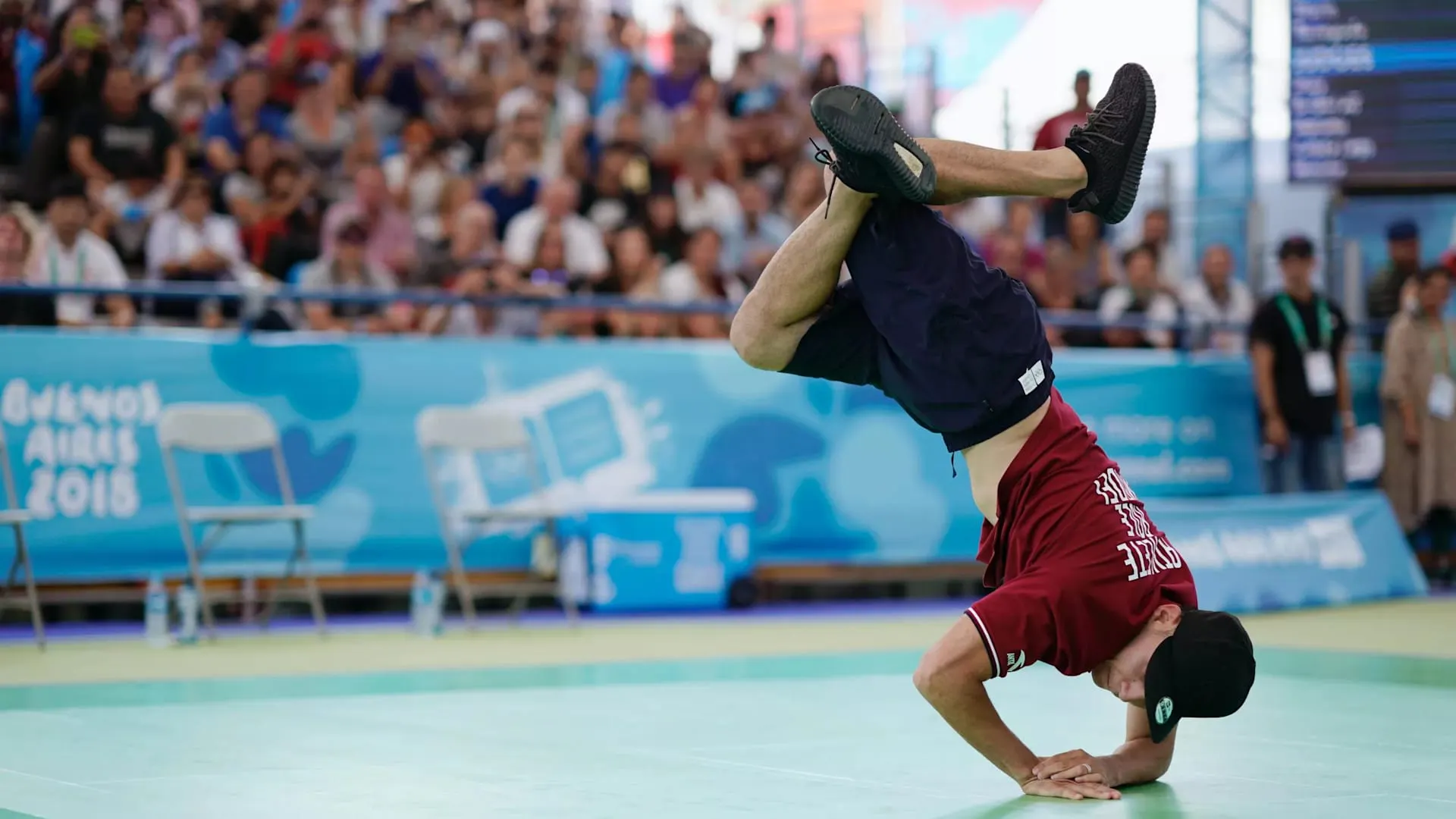
As part of the Youth Olympic Games 2018 in Buenos Aires, the BOTY Headoffice, in collaboration with the World DanceSport Federation (WDSF), played a key role in the introduction of breaking as a new Olympic sport.
2018
Youth Olympic Games
As part of the Youth Olympic Games 2018 in Buenos Aires, the BOTY Headoffice, in collaboration with the World DanceSport Federation (WDSF), played a key role in the introduction of breaking as a new Olympic sport.
2022–2025
Okinawa, Osaka, Hwaseong
In 2022, the Battle of the Year final once again changed location and was held for the first time in Okinawa. One year later, the event moved on to Osaka. For 2025, the final is being organized in collaboration with the Korean Breaking Federation in Hwaseong.
2022–2025
Okinawa, Osaka, Hwaseong
In 2022, the Battle of the Year final once again changed location and was held for the first time in Okinawa. One year later, the event moved on to Osaka. For 2025, the final is being organized in collaboration with the Korean Breaking Federation in Hwaseong.
Impact on the Breaking Scene
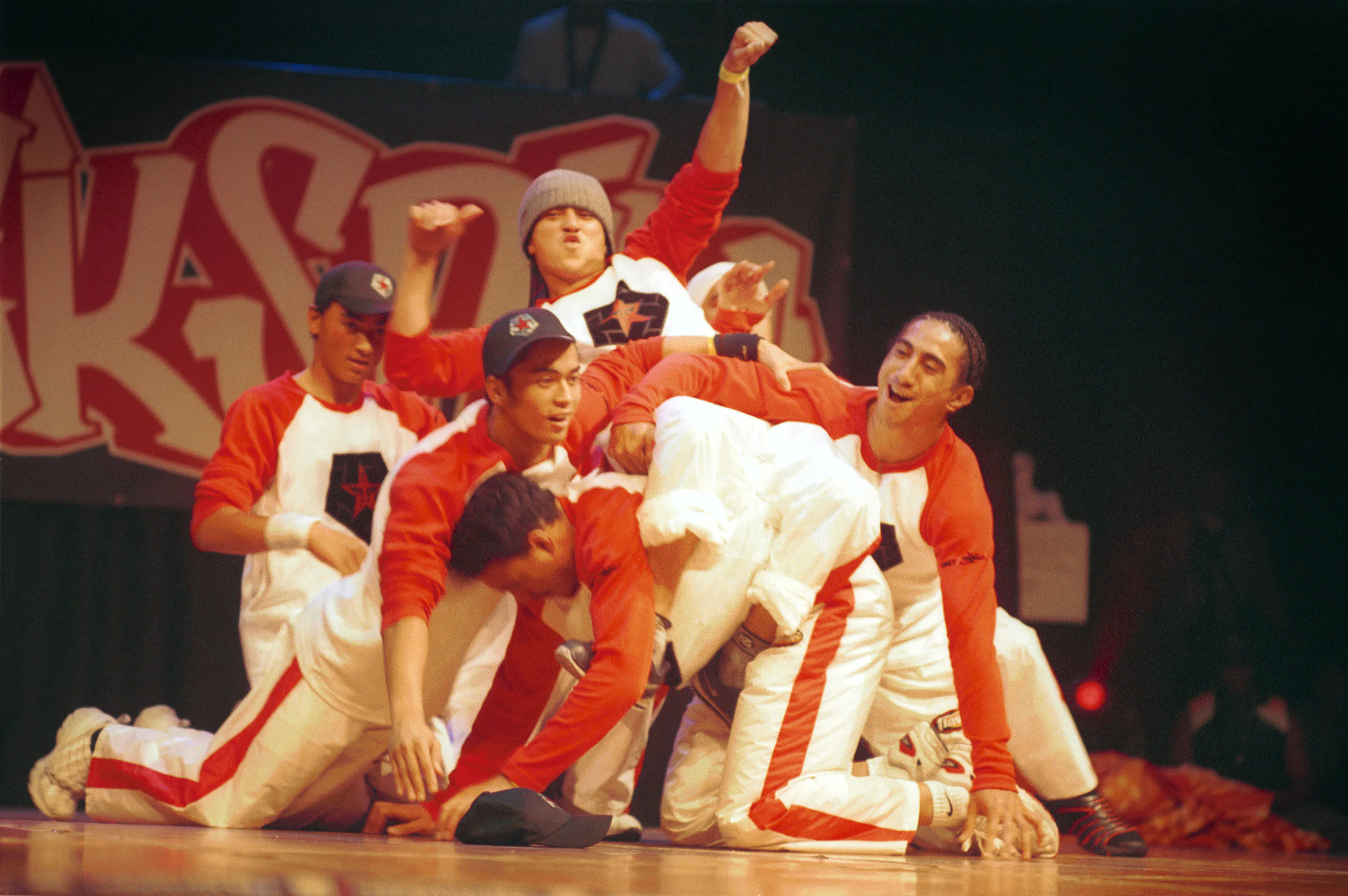
Since its beginnings in 1990, Battle of the Year has stood for far more than just a competition. From the very start, BOTY has been a place of exchange, encounter, and collective development — a space where dancers from different countries could learn from one another and inspire each other.
Over the years, BOTY has not only set standards for shows and battles, but has also consistently represented ongoing evolution. For many generations of dancers, it has become an important point of reference and a source of motivation. This idea continues to resonate today: BOTY sees itself as a platform for culture, community, and the sharing of knowledge — remaining a key driving force for the global breaking scene.
Looking to the Future
Battle of the Year will continue to stay true to its roots in the years to come.
At the same time, its international spirit will be further strengthened: through worldwide qualifications, new formats, and digital opportunities, the global network continues to grow closer together. The focus on support and knowledge-sharing also remains central — especially through new formats such as BOTY Next Generation and other BOTY projects that go beyond classic breaking. As in the past, Battle of the Year will continue to evolve while staying connected to its origins: as a platform for culture, community, and innovation — and as a driving force for the next generations of the global breaking scene.